Why your nervous system needs a holiday too

August 16th, 2026
Terschelling

On neurowellness, the rhythm of Terschelling and the art of truly slowing down.

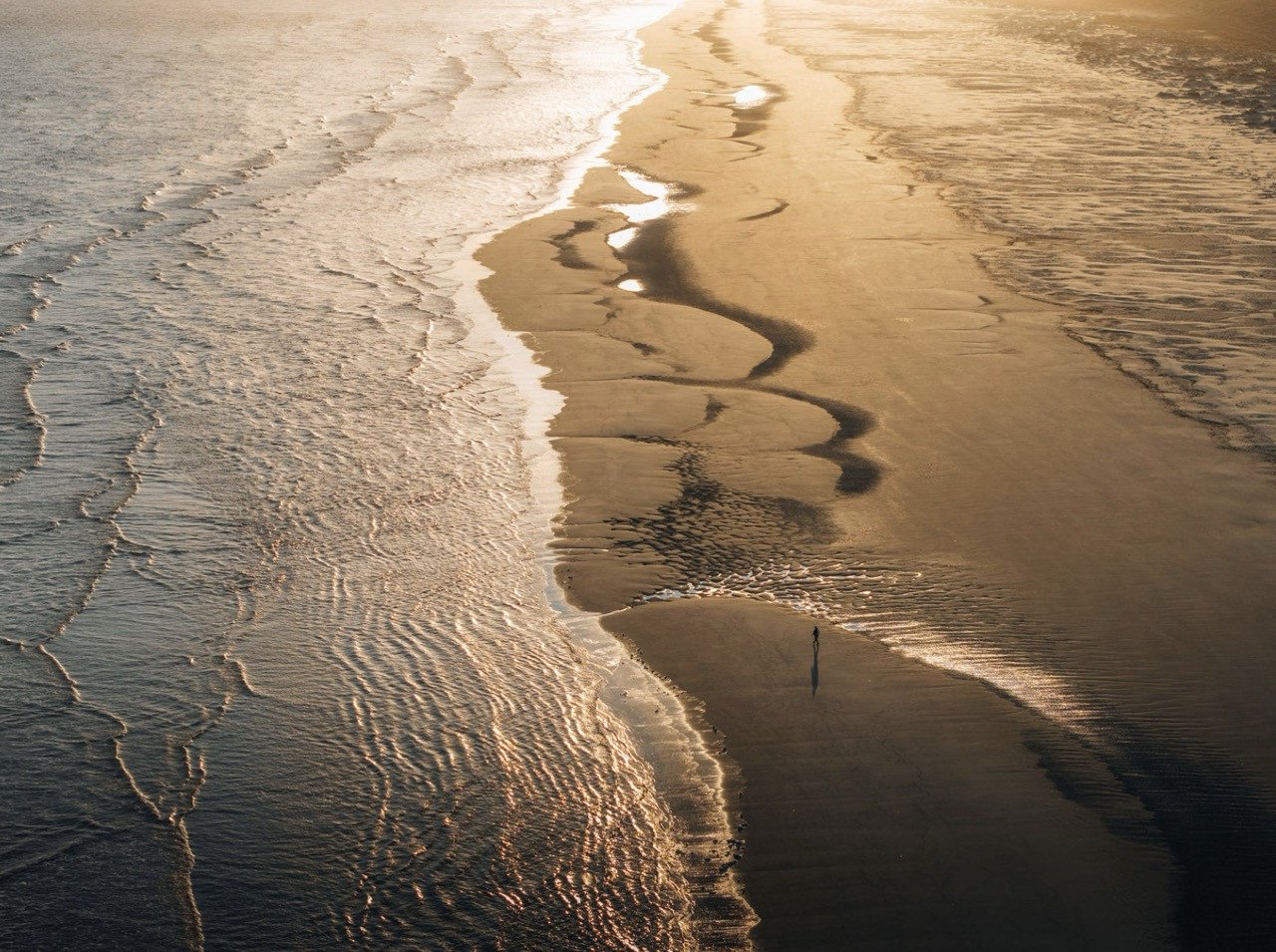
En prachtig dronebeeld van de branding van het Noordzeestrand van Terschelling. De afdrukken van de zee in het stand en de golven in de branding. In het mooiste moment van de dag, het gouden uur - wanneer de zon wat lager aan de hemel staat.
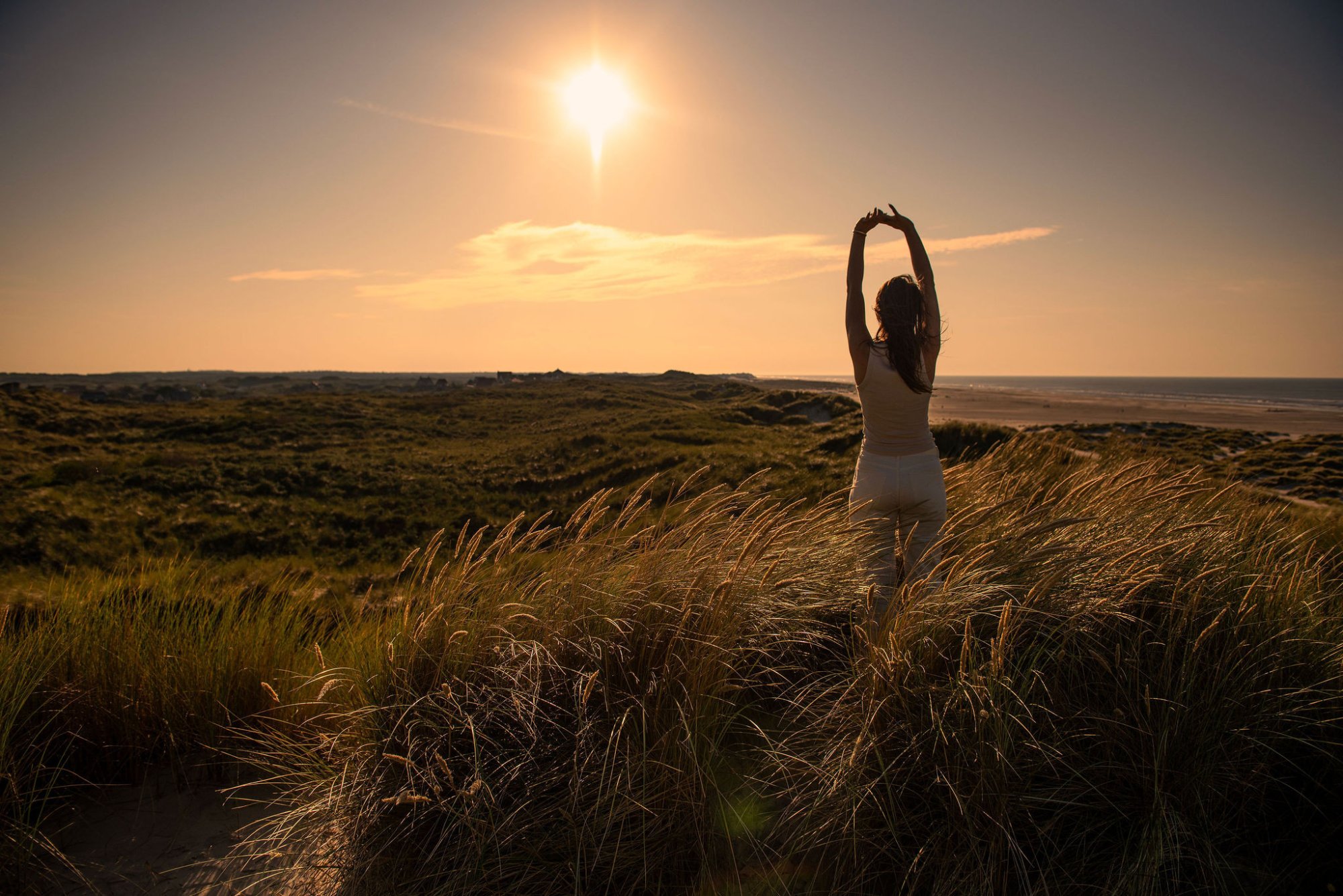
Een persoon doet yoga in de duinen van Terschelling, omringd door wuivend helmgras en warm avondicht. De zon hangt laag boven de zee en vult de lucht met zachte goudtinten — een moment van stilte en verbinding met de natuur.

When did you last truly relax?

We go on holiday to rest. To get away from work, from appointments and from everything that asks for our attention at home. But once we arrive, the phone stays within reach. We read one more message, check the news, make plans for tomorrow. Before we know it, we have filled up our days off as well.

Our body is on holiday, but our mind sometimes takes a little longer to arrive. Perhaps that is one of the reasons why the wellness world is paying ever more attention to neurowellness. In 2026, the Global Wellness Summit placed it in its top ten of global wellness trends.

Relaxation, seen this way, is not only about the body but also about rest for the brain and the nervous system. It answers a need many people recognise: not just having nothing to do for a while, but actually coming to rest.

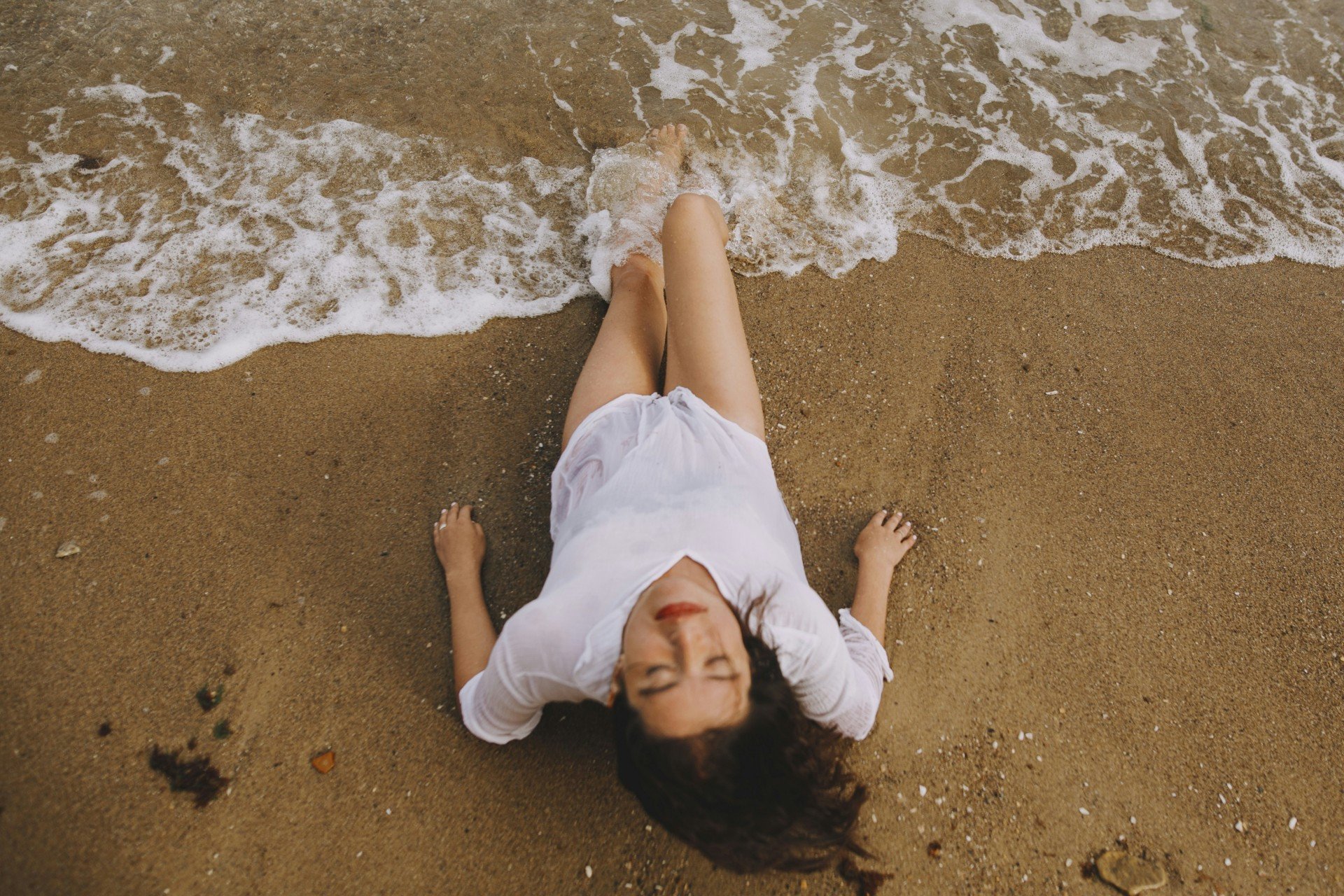
Woman lying on her back on wet sand with her eyes closed, sea foam washing around her feet.

From wellness to neurowellness

A massage, the sauna or a few hours in the spa — we associate all of that with wellness easily enough. Neurowellness takes a wider view: not only what feels good for the body, but the system that regulates everything.

Your nervous system switches between two modes all day long. One that activates you: heart rate up, focus sharp. And one that restores: sleep, digestion, rest. In a healthy rhythm, the two alternate by themselves.

But screens, messages, work and social contact ask for our attention all day. As a result, that first mode stays on longer than it needs to. You sleep less well, you find it harder to concentrate, you wake up tired.

Neurowellness is about restoring that ability to switch. Not relaxing harder, but allowing your body to move between exertion and recovery again. And sometimes it helps to put some literal distance between yourself and everything else.
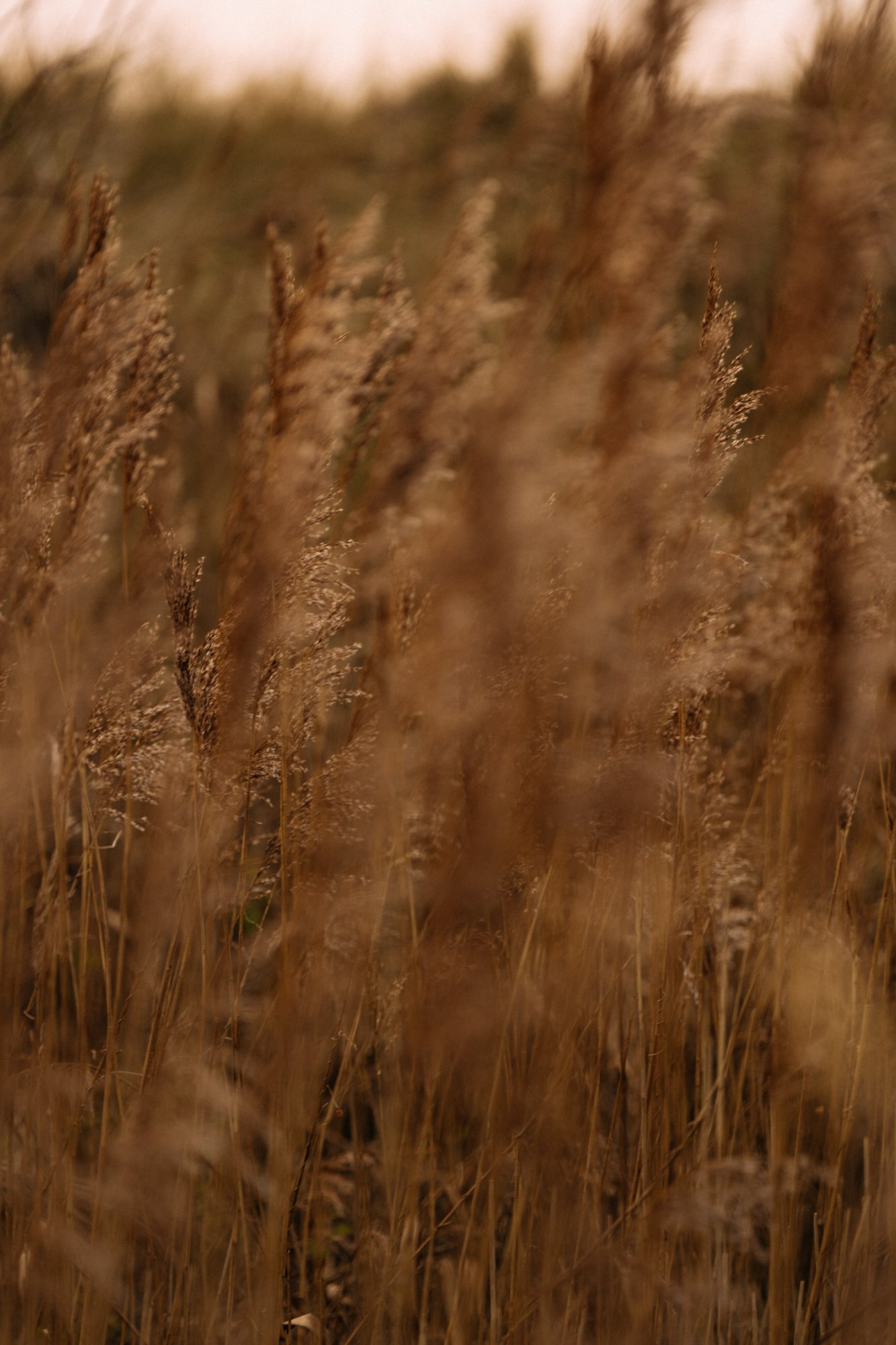
Helmgras in warm avondlicht op Terschelling, met een zachte onscherpe achtergrond.
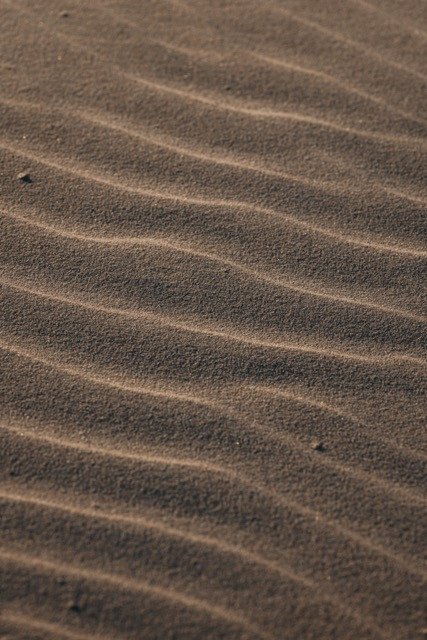
Golvende ribbelpatronen in droog zand op het Noordzeestrand van Terschelling, gevormd door de wind.

In the rhythm of Terschelling

Anyone travelling to Terschelling notices the pace change. It starts on the ferry. The mainland slowly disappears from view and the horizon grows wider. Once on the island you travel more often on foot or by bike. You feel the wind, smell the sea and suddenly remember how dark a night can be. Here the rhythm is set not by notifications, but by the light, the weather and the tides.

On Terschelling you don't always have to go looking for relaxation. Sometimes it simply arrives during a long walk along the beach. On a bike ride through the dunes. Over a cup of coffee while the marram grass sways in the wind outside. Or by looking out at the horizon for a while, with nothing expected of you.

At Elements that setting is the starting point. Nature here is not somewhere you go now and then. You stay right in the middle of it

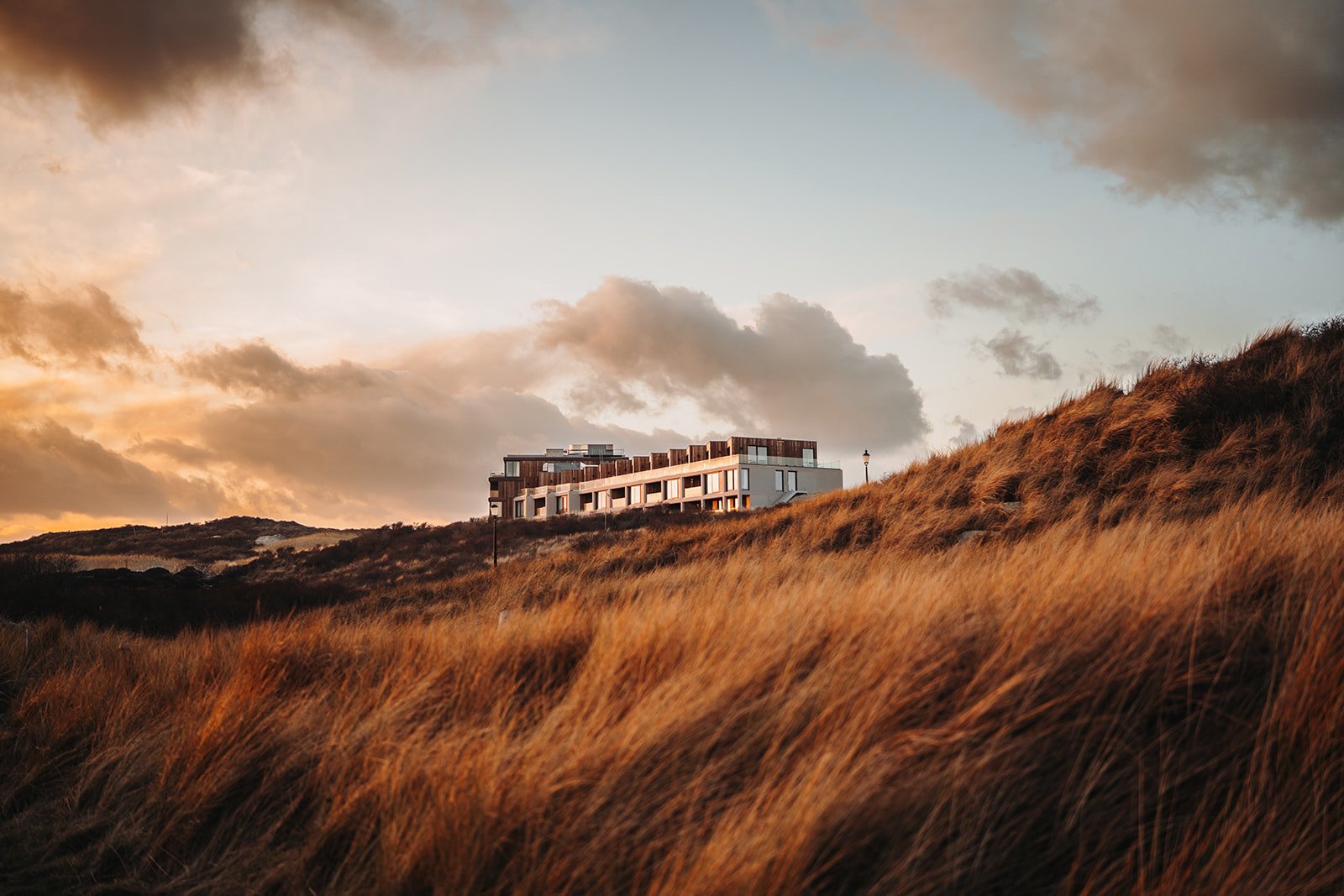
Elements Terschelling on a dune ridge at sunset, with swaying dune grass in the foreground and a cloudy sky above.

From slowing down to going deeper

At Elements, that natural calm gains an extra dimension through the collaboration with The|Tides BrainBodyMind Wellness™. The|Tides sees the nervous system as the system that drives recovery and resilience — precisely what neurowellness is about. In its rituals, touch, breath, warmth, scent, sound and vibration come together. Not in order to achieve anything, but to make room to let go.

Peace Out | Sleep & Replenish focuses entirely on relaxation and sleep. Massage, breathwork, acupressure and aromatherapy, for anyone who finds that the body has already come to rest while the mind is still going. During the Brainwave Experiences you lie on a specially designed bed where sound and gentle vibration come together. You choose which direction you would like to go in: quiet focus, deep relaxation, or the stillness of a good night's sleep. Beyond that, all you have to do is lie back and experience it.

Outside, Terschelling invites you to find a different pace. Inside, the rituals of The|Tides help you take that slowness further.

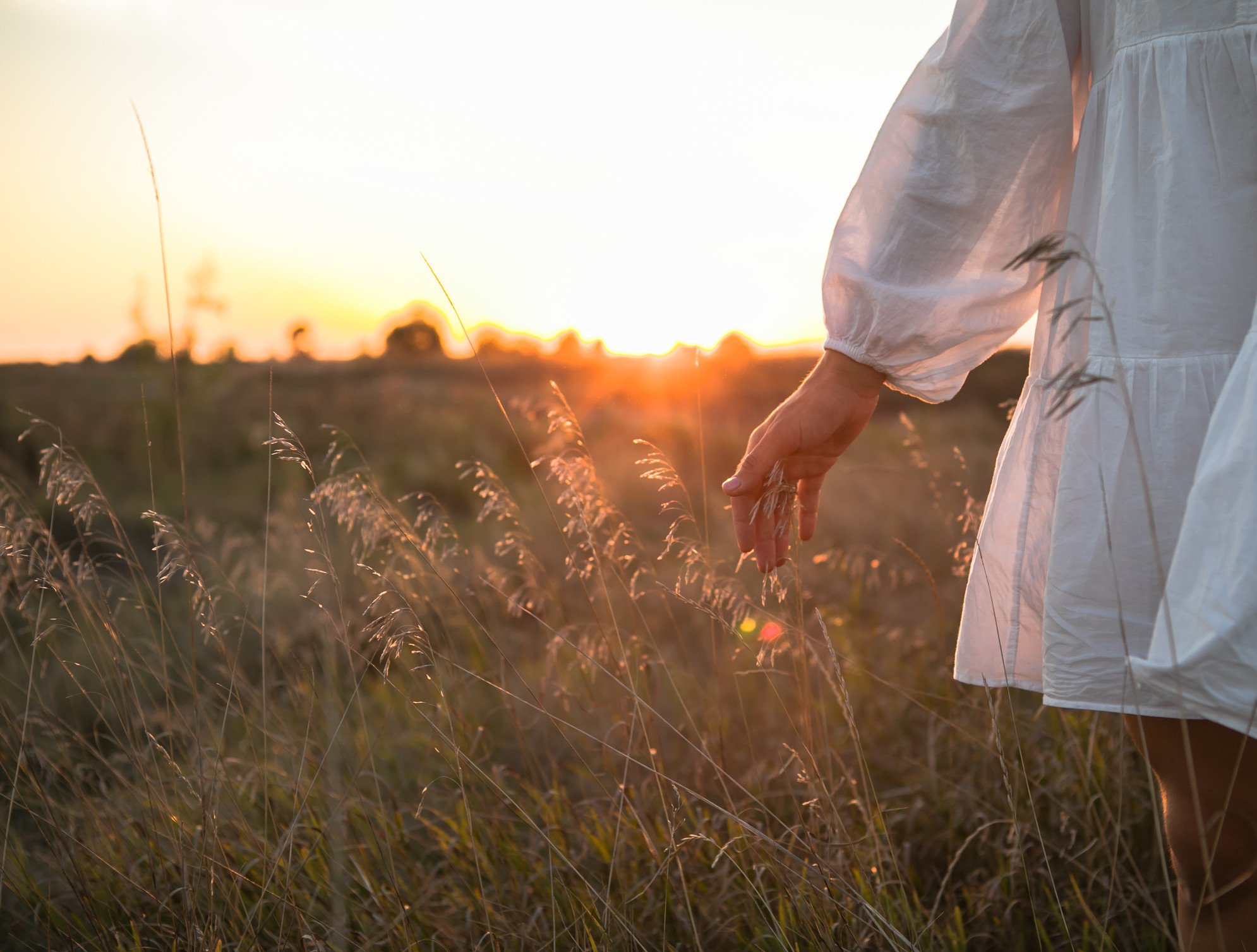
Woman in a white dress letting her hand brush through tall grass, low sun on the horizon behind her.

The luxury of less

For a long time, luxury was mostly associated with more. More comfort, more options, more to experience. But what we experience as luxury seems to be changing. An empty calendar. A good night's sleep. Silence. Time outdoors. A few hours in which no one needs anything from you.

Neurowellness fits that shift. Not because relaxation is anything new, but because we are becoming ever more aware of how much we process each day — and of how valuable it is to step away from it now and then.

On Terschelling, that distance is quite literal. You leave the mainland behind and follow the rhythm of the island for a while. Sometimes the greatest luxury lies in what isn't there.

Discover how The|Tides helps you truly slow down

Your promotion code will be added to the comments section in the last step of the checkout.

Only valid when booking between:

-

Remove

Form has been sent successfully!

Something went wrong, please try again later.